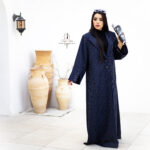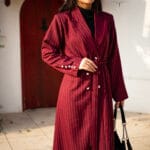

Choosing the perfect abaya is more than just picking a long black cloak; it’s about finding a garment that reflects your personality, matches your lifestyle, and makes you feel confident and comfortable. For many women, the abaya is not just a piece of clothing but an expression of modesty, elegance, and cultural identity. However, with the countless styles, fabrics, and embellishments available today, selecting the right abaya can feel overwhelming.
This comprehensive guide walks you through 10 easy steps to help you choose an abaya that perfectly suits your body type, style preference, and occasion. Whether you’re shopping for daily wear, attending a special event, or looking for something luxurious, these steps will ensure you make a smart, stylish choice.
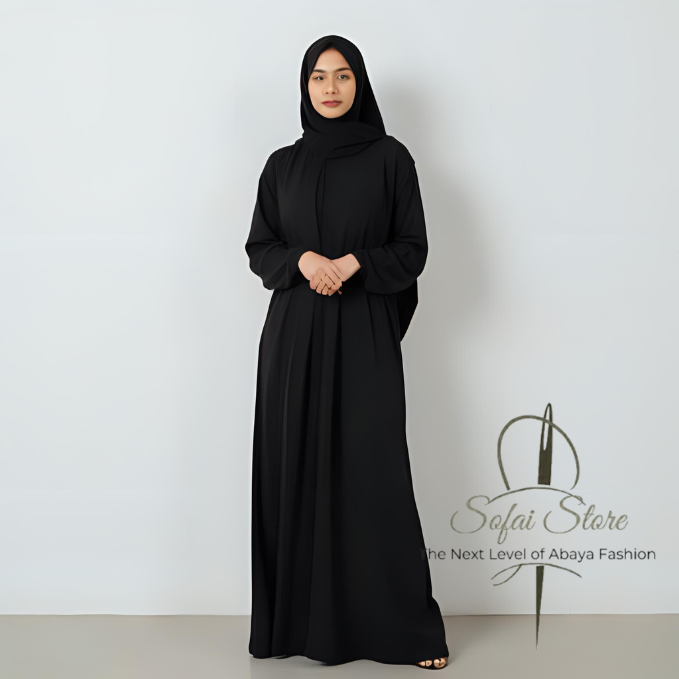
Step 1 – Understand the Purpose of Wearing an Abaya
Before diving into colors and fabrics, it’s essential to understand why you’re purchasing an abaya. The purpose determines the style, material, and even the budget you should consider.
For many women, abayas serve as a modest and practical daily outfit, suitable for casual outings, work, and religious gatherings. If this is your case, you’ll likely prefer simple, lightweight designs that allow easy movement. Everyday abayas usually feature minimal embellishments, straightforward cuts, and breathable fabrics like cotton or crepe.
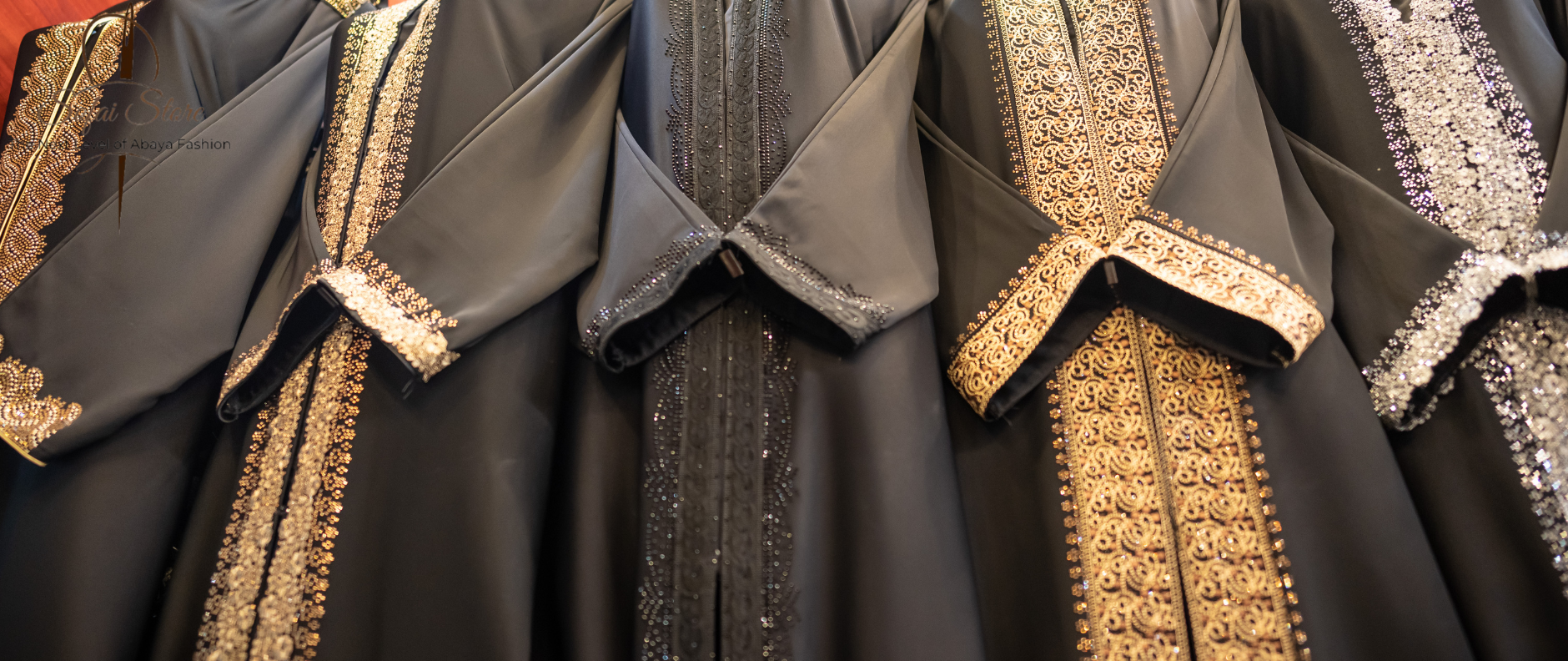
On the other hand, special occasion abayas—often worn at weddings, parties, or festive events—tend to be more elaborate. These may feature intricate embroidery, luxurious fabrics like silk or satin, and elegant detailing with beads or sequins. Such abayas can even resemble gowns while maintaining modesty.
Additionally, you should consider cultural and religious practices. In some regions, traditional black abayas are preferred, while others embrace colorful, patterned options. Understanding your purpose ensures that you don’t overspend on a fancy piece when you only need something functional—or vice versa.
Step 2 – Know Your Body Type
Just like any other garment, the perfect abaya should complement your body shape. Wearing an ill-fitted abaya can make you appear shorter or bulkier than you are, while the right fit enhances your natural silhouette without compromising modesty.
- Pear-shaped: If you have a smaller upper body and wider hips, opt for A-line abayas or those with minimal detailing around the hips. Flowy fabrics can balance proportions beautifully.
- Apple-shaped: Women with broader shoulders and midsections look great in straight-cut abayas or those with vertical embellishments that elongate the figure.
- Hourglass: If you have a defined waist, you can experiment with belted abayas that accentuate curves while staying modest.
- Petite: Shorter women should choose slightly tailored abayas that don’t overwhelm their frame. Avoid overly wide sleeves or heavy fabrics that add unnecessary volume.
- Tall: Taller women can easily carry long, flowy abayas with statement sleeves or layered designs.
Taking the time to know your body type helps in avoiding boxy or shapeless looks. Many women also opt for custom tailoring to achieve a perfect fit, which can be a worthwhile investment.
Step 3 – Select the Right Fabric
Fabric choice can make or break your abaya experience. The right material enhances comfort, movement, and style, while the wrong one can feel heavy, wrinkle easily, or trap heat.
- Crepe: One of the most popular abaya fabrics, crepe is lightweight, flowy, and resistant to wrinkles, making it ideal for daily wear.
- Chiffon: Perfect for summer or layered styles, chiffon is sheer, elegant, and often used in evening abayas.
- Silk or Satin: These luxurious fabrics are reserved for formal occasions. They drape beautifully but require careful maintenance.
- Cotton: A great option for casual, everyday use, cotton is breathable and comfortable, especially in warmer climates.
- Jersey or Lycra: These stretchable fabrics are perfect for fitted or sporty abaya styles that allow easy movement.
When selecting a fabric, consider the climate and purpose of the abaya. For hot regions, lighter, breathable materials are essential, while cooler areas might benefit from thicker fabrics like wool blends. Durability also matters—investing in high-quality fabric ensures that your abaya lasts longer without fading or tearing.
Step 4 – Pick the Perfect Color
Traditionally, abayas were predominantly black, symbolizing modesty and simplicity. However, modern fashion has introduced a wide spectrum of colors that cater to different preferences and occasions.
- Classic Black: Timeless and versatile, black abayas are perfect for formal and religious settings. They also pair easily with any colored accessories.
- Neutral Shades: Beige, gray, and navy blue offer a sophisticated yet understated look, suitable for office wear or casual outings.
- Pastels: Soft hues like blush pink, lavender, or mint green add a feminine touch and are perfect for spring and summer.
- Bold Colors: Deep reds, royal blues, and emerald greens make a statement at special events and can reflect personal style.
When choosing a color, consider your skin tone. For instance, warm skin tones complement earthy shades like camel or olive, while cooler tones shine in jewel colors like sapphire or amethyst. Occasion matters too—a bright, embellished abaya may feel out of place at a conservative event but perfect for festive gatherings.
Step 5 – Choose the Right Length and Fit
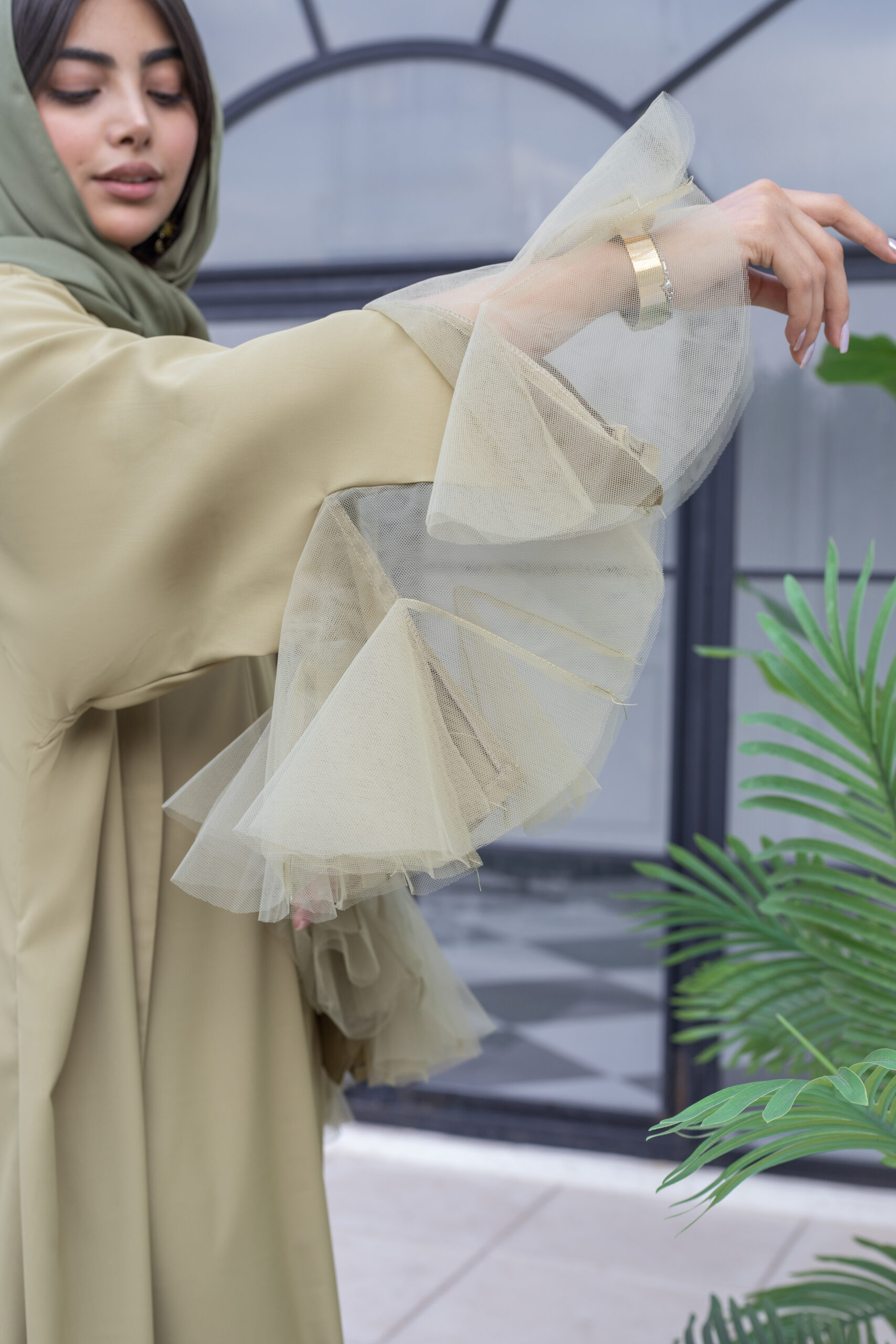
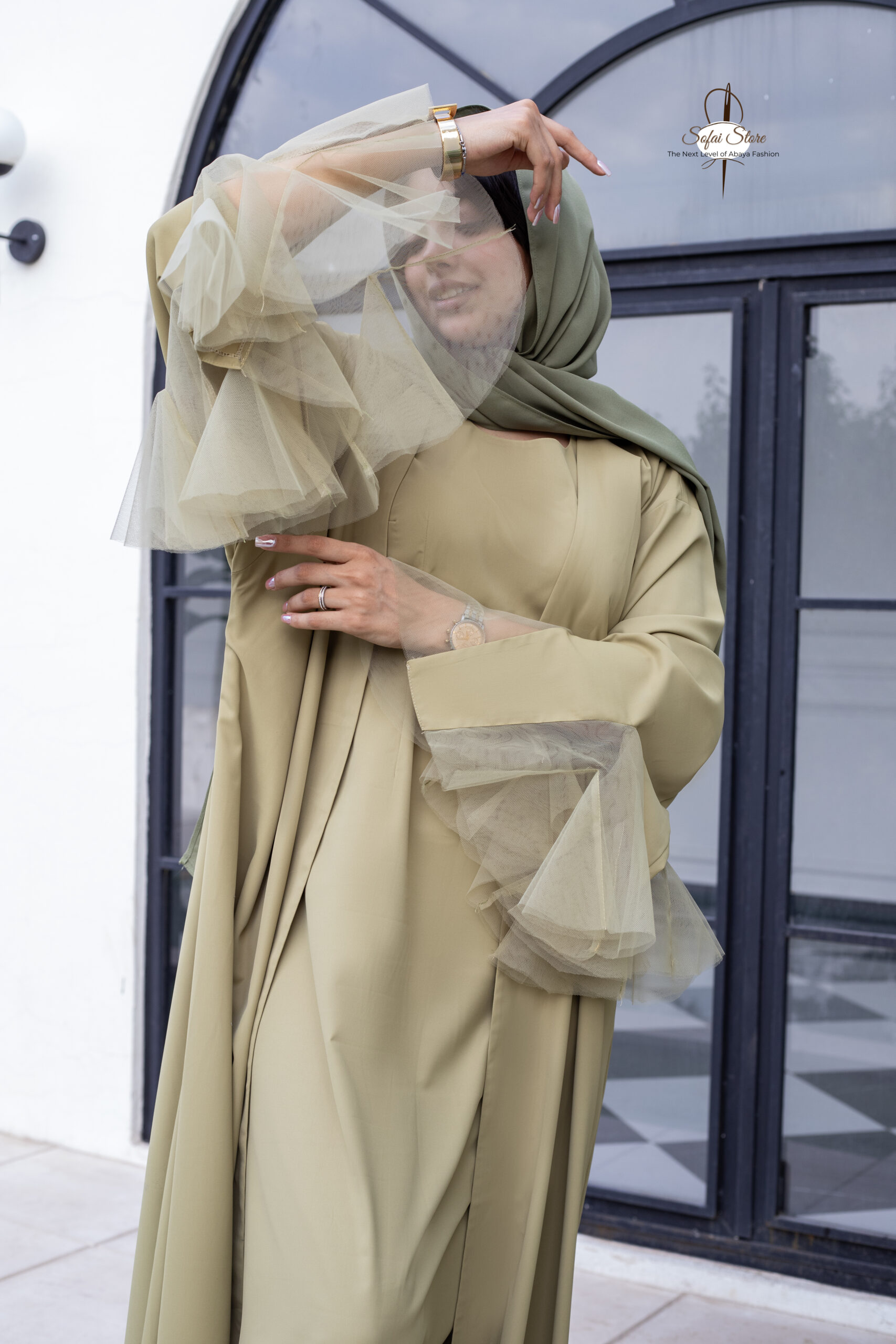
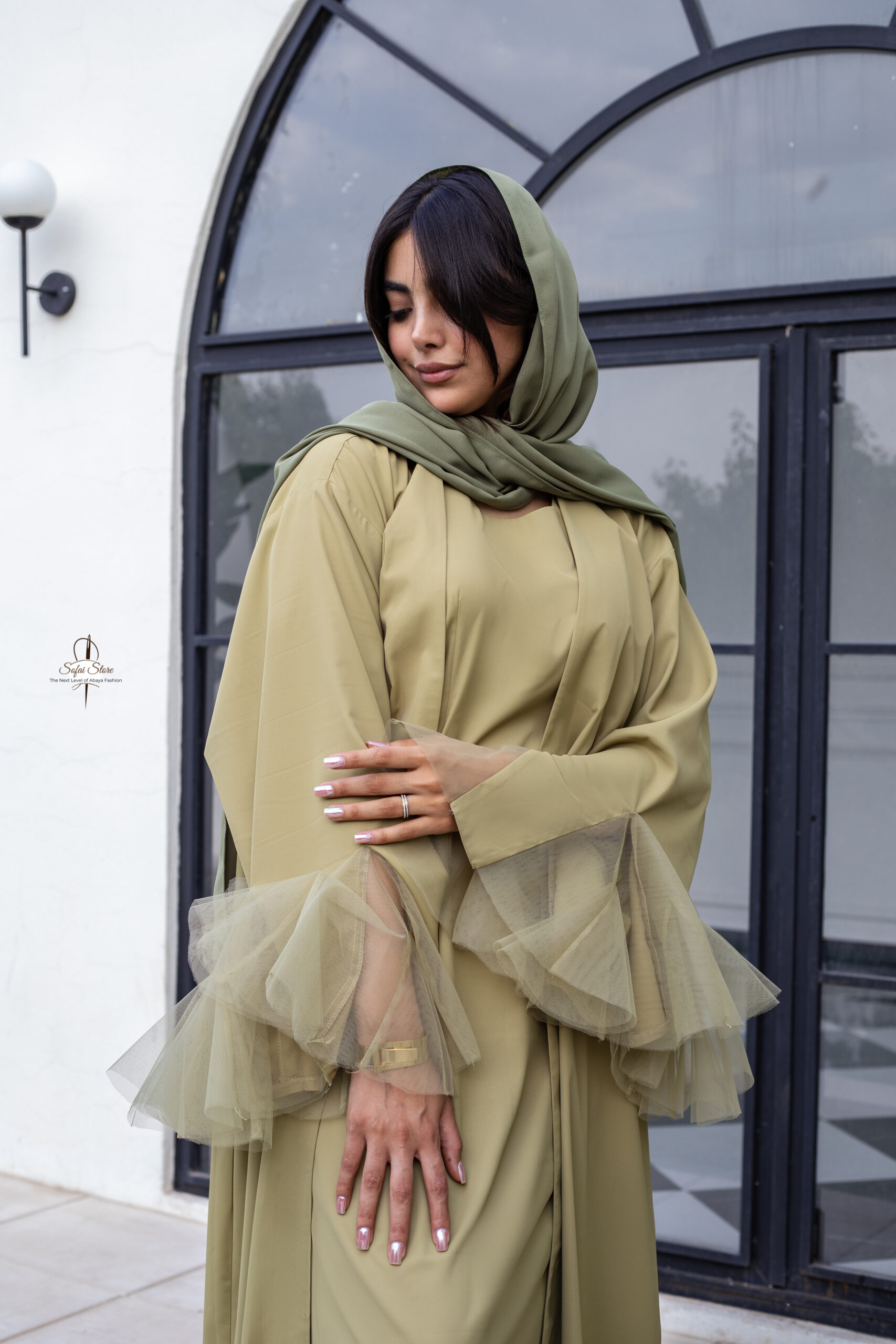
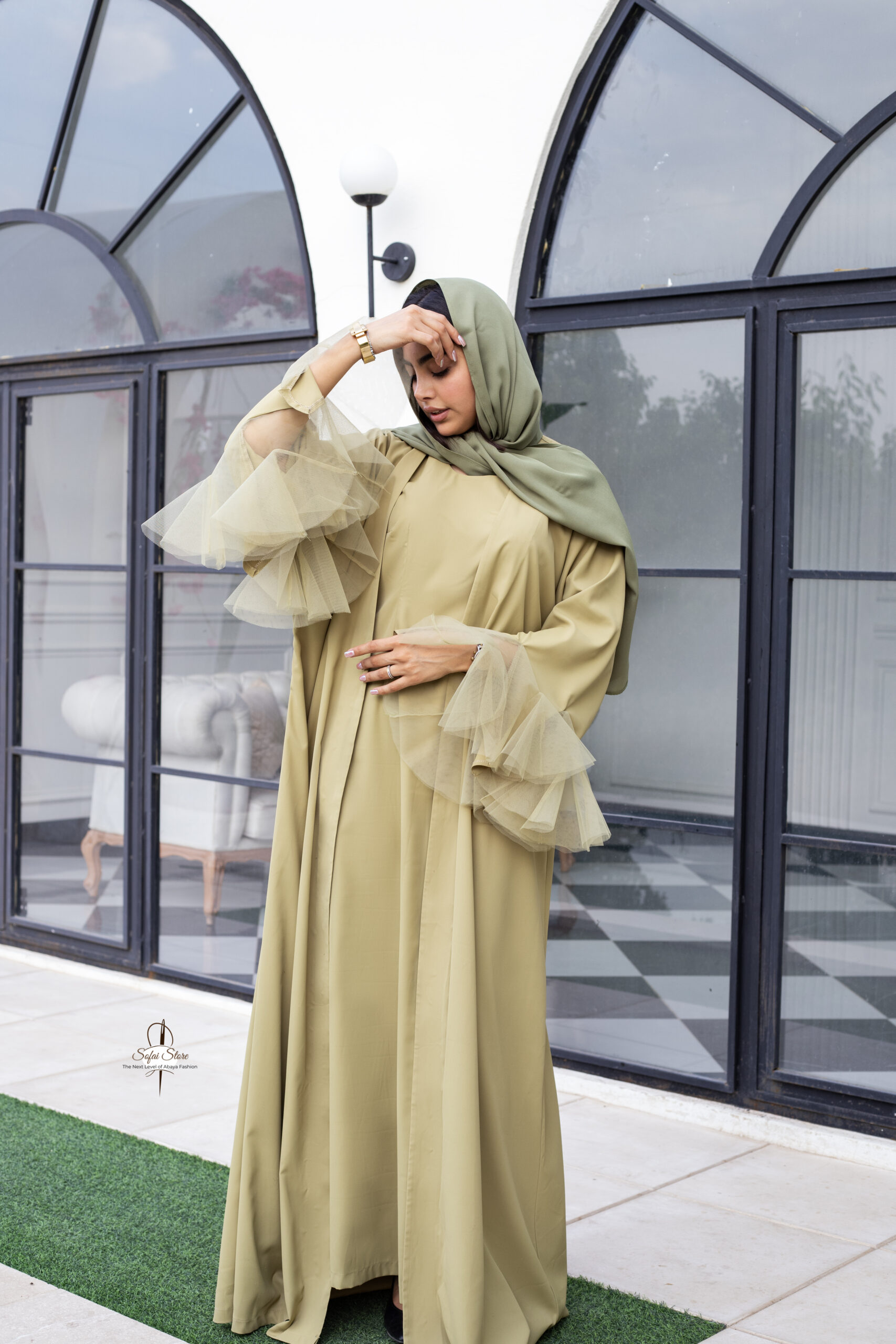
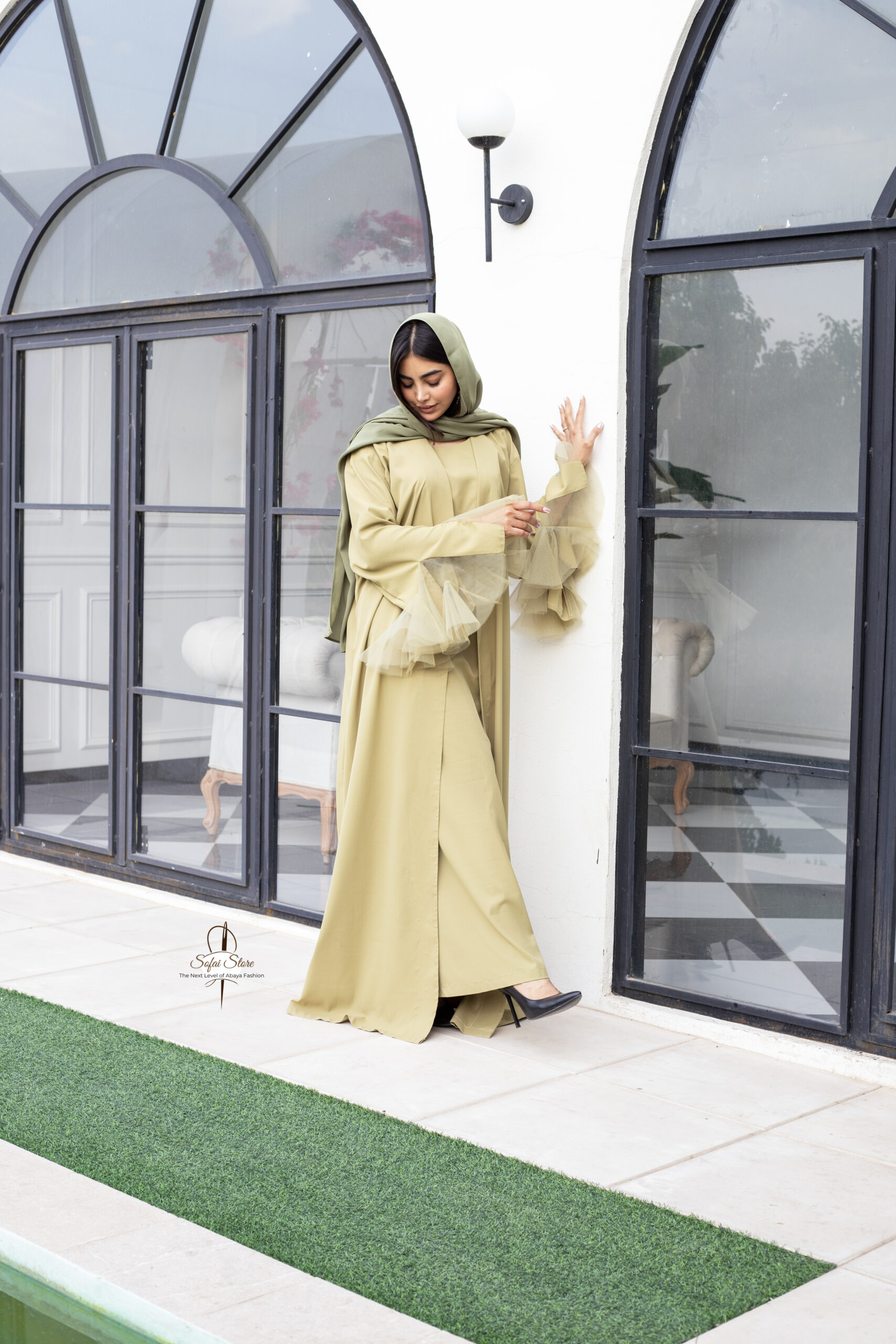
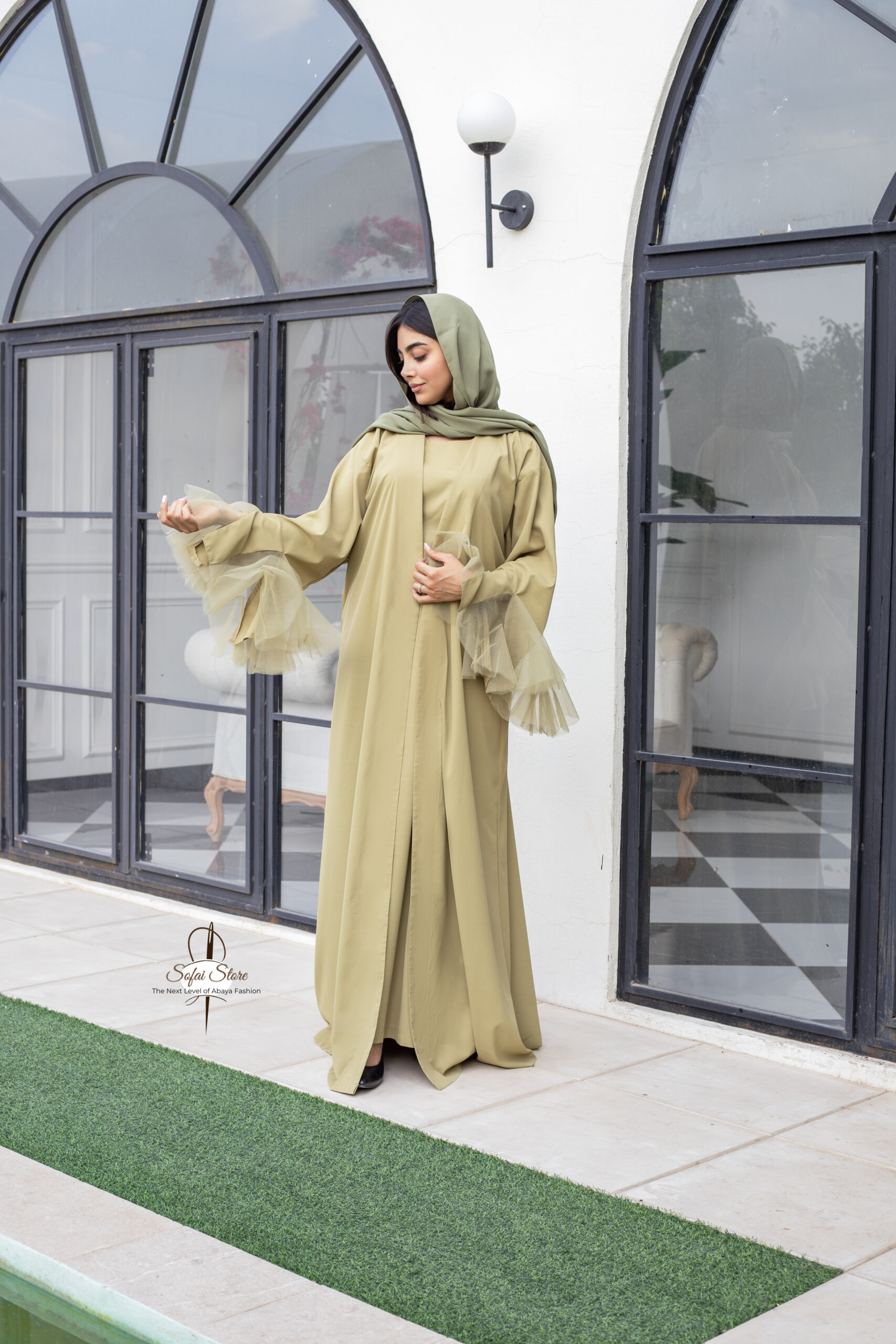
The length and fit of an abaya are crucial for both modesty and comfort. A poorly fitted abaya can cause inconvenience while walking, make you appear disproportionate, or even defeat the purpose of modest dressing.
- Standard Length: Ideally, an abaya should fall just above the ground without dragging. Too long, and it becomes a tripping hazard; too short, and it may reveal footwear or legs unintentionally.
- Custom Tailoring: If you find that off-the-rack abayas don’t fit well, consider having one tailored to your exact measurements. This ensures perfect sleeve length, shoulder fit, and overall drape.
- Slim Fit vs. Loose Fit: While loose abayas provide more coverage and airflow, slim-fit styles are becoming popular for modern, chic looks. Striking a balance between modesty and fashion is key.
Also, remember that different activities require different fits. For instance, work abayas should allow easy mobility, while formal abayas can have a more structured silhouette. Checking size charts carefully when buying online can save you from costly alterations later.
Step 6 – Consider the Sleeve Style
Sleeves play a surprisingly significant role in defining the look and comfort of your abaya. While they may seem like a small detail, the wrong sleeve style can make an otherwise elegant abaya feel impractical or outdated. Modern fashion has introduced a variety of sleeve options, each offering its own unique charm.
- Batwing Sleeves: Wide and flowing, these sleeves give a dramatic, elegant appearance. Perfect for evening wear or formal gatherings, batwing sleeves offer maximum movement and comfort.
- Cuffed Sleeves: Featuring buttoned or elastic cuffs, these are practical for daily wear, as they keep the sleeves from getting in the way during tasks like cooking or writing.
- Kimono Sleeves: Inspired by traditional Japanese kimonos, these sleeves are wide but structured, giving a graceful silhouette that works for both casual and semi-formal occasions.
- Straight Sleeves: Simple and classic, straight sleeves are timeless and suitable for professional settings or minimalist fashion lovers.
- Bell Sleeves: Flared at the wrists, bell sleeves add a stylish, feminine touch and pair well with embroidered abayas.
When selecting sleeve styles, think about functionality. For example, heavily flared sleeves might not be ideal for office work, while cuffed sleeves are perfect for practicality. Additionally, seasonal considerations matter—shorter or looser sleeves work best in hot weather, while long, fitted sleeves provide warmth during colder months.
Step 7 – Look for Stylish Necklines and Closures
Neckline and closure choices influence not only how your abaya looks but also how comfortable and convenient it is to wear.
- Common Necklines:
- Round Neck: Simple and modest, ideal for layering with scarves or hijabs.
- V-Neck: Adds a touch of modern style without compromising modesty.
- Collared Neck: Often found in professional abayas, providing a more structured look.
- Closures:
- Buttoned: Traditional and adjustable, button closures allow for styling flexibility.
- Open Front: Worn like a cloak, perfect for layering over other outfits.
- Zipped: Convenient for quick wear, commonly used in sporty or travel-friendly abayas.
Practicality is crucial here. For instance, nursing mothers may prefer buttoned or zipped designs for easier access, while women seeking maximum coverage might opt for higher necklines. Neckline embellishments—like lace trims or beadwork—can also elevate a simple abaya into something more sophisticated without overwhelming the overall look.
Step 8 – Decide on Embellishments and Details
Embellishments can completely transform an abaya from simple and functional to luxurious and statement-making. However, selecting the right amount of detailing requires balance.
- Embroidery: Floral, geometric, or Arabic calligraphy embroidery can add elegance without overpowering the abaya.
- Beads and Sequins: Perfect for festive or wedding abayas, but they can feel heavy for daily wear.
- Lace Inserts: Feminine and delicate, lace details work beautifully on sleeves, hems, or necklines.
- Minimalistic Details: For professional or everyday use, subtle piping, pleats, or contrasting trims are ideal.
While embellishments add beauty, consider maintenance. Sequined or heavily embroidered abayas often require dry cleaning and delicate handling. If you want a versatile abaya for multiple occasions, opt for detachable embellishments or accessories like belts and brooches that can dress up a plain abaya when needed.
Step 9 – Accessorize Smartly
An abaya’s beauty is often enhanced by the accessories you pair with it. The right accessories can make even a simple abaya look stunning, while mismatched pieces can clash with your overall style.
- Hijabs and Scarves: Choose fabrics that complement your abaya—silk for luxury looks, chiffon for flowy styles, and cotton for daily wear. Matching or contrasting colors can change the vibe of your outfit entirely.
- Belts: Adding a belt can define the waist, especially on loose-fitted abayas, turning a simple design into a chic silhouette.
- Handbags and Shoes: Coordinating your bag and footwear with your abaya elevates the entire ensemble. For example, a black abaya with a gold clutch and matching heels is perfect for evening wear.
- Jewelry: Minimal jewelry like stud earrings or thin bracelets maintains modesty while adding elegance. Statement necklaces or chandelier earrings can be reserved for special events.
Remember, less is often more when accessorizing. A highly embellished abaya doesn’t need bold accessories, while a plain one can be enhanced with colorful scarves and ornate jewelry.
Step 10 – Shop from Trusted Brands and Tailors
Lastly, where you buy your abaya matters just as much as the style itself. With the growing popularity of abayas worldwide, many brands and tailors now offer a variety of options.
- Trusted Designers: Well-known designers ensure high-quality fabrics, precision tailoring, and trendy styles that last longer.
- Custom Tailoring: If you want a perfect fit, custom-made abayas tailored to your measurements provide unmatched comfort and elegance.
- Online vs. In-store:
- Online: Offers a wider selection and convenience but requires careful size and fabric checks.
- In-store: Allows you to feel the fabric and try different styles before purchasing.
Look for brands with good return policies, genuine customer reviews, and a reputation for durability. Investing in a high-quality abaya from a trusted source ensures long-term satisfaction and avoids the disappointment of cheap, ill-fitted pieces.
Bonus Tips for Maintaining Your Abaya
Even the most luxurious abaya can lose its charm if not maintained properly. To keep your garments looking fresh and beautiful:
- Washing: Hand-wash delicate fabrics or use gentle machine cycles. Avoid harsh detergents that can damage embellishments.
- Ironing: Use low heat for fabrics like chiffon and silk to prevent burns or shine marks.
- Storage: Hang abayas on padded hangers to avoid creasing and store them in breathable garment bags to protect from dust.
- Perfuming: Lightly spritz abayas with fabric-safe perfume for a fresh scent without staining.
Taking these steps not only preserves the fabric’s quality but also ensures you look polished every time you wear your abaya.